


What Is TB 500


What Is TB 500?
What Is TB 500? TB 500 is a peptide-related compound frequently discussed in bodybuilding, sports recovery, injury rehabilitation, and research chemical markets. It is commonly marketed online for its proposed effects on tissue repair, muscle recovery, tendon health, and wound healing. These claims have attracted attention from athletes, bodybuilders, and people looking for alternatives to conventional injury management.
However, understanding what TB 500 actually is requires separating scientific research from commercial marketing. Although it is associated with thymosin beta 4, a naturally occurring protein involved in several cellular processes, TB 500 should not automatically be treated as equivalent to the full-length protein. The compounds may differ in structure, and findings from research on one cannot simply be applied to the other.
A major concern is the limited amount of direct human evidence available for TB 500 itself. Much of the interest surrounding the compound comes from biological research involving thymosin beta 4, laboratory studies, animal research, and claims made by online sellers. These sources do not establish that TB 500 safely or reliably improves recovery in humans.
This guide explains what TB 500 is, what it is used for, how it is thought to work, what research can tell us, and which safety questions remain unanswered.
What Is TB 500 Peptide?
What Is TB 500? TB 500 is a name used in research chemical and performance enhancement markets for a synthetic peptide associated with a portion of thymosin beta 4. The name is not always used consistently by commercial suppliers, making it important to distinguish the specific molecule being discussed from the broader family of thymosin beta 4 research.
Thymosin beta 4 is a naturally occurring protein made up of 43 amino acids. It is involved in cellular processes that include actin regulation, cell movement, and tissue-related responses. Actin is an important structural protein inside cells and plays a role in cell shape, movement, and organization.
What Is TB 500? TB 500 is commonly described in scientific and regulatory discussions as a synthetic N-terminal fragment associated with thymosin beta 4. The fragment often referred to by this name is an acetylated seven-amino-acid sequence. This is not the same molecule as the complete 43-amino-acid thymosin beta 4 protein.
That distinction matters because a shorter peptide fragment does not necessarily reproduce all the biological activities of a full-length protein. Its behavior can depend on its structure, concentration, route of exposure, stability, and interactions with biological systems.
TB 500 vs. Thymosin Beta 4
The terms TB 500 and thymosin beta 4 are sometimes used interchangeably in online discussions, but they should not be assumed to mean the same thing.
Thymosin beta 4 is the naturally occurring full-length protein studied in several areas of biomedical research. TB 500 is a name associated with a synthetic peptide fragment. Research on the complete protein may help scientists understand biological pathways relevant to the fragment, but it does not prove that the fragment produces the same effects.
This distinction is particularly important when evaluating claims about healing, inflammation, muscle repair, and recovery. Studies involving a topical preparation of full-length thymosin beta 4, for example, cannot establish the effectiveness or safety of an injectable TB 500 product.
Commercial naming creates another problem. A product labeled TB 500 may not provide enough information to determine its precise molecular identity, purity, concentration, or composition. A label alone is not proof that the product contains the compound described in the marketing material.
For anyone researching this subject, the most useful starting point is to identify the exact compound under discussion and then determine whether the evidence relates directly to that molecule.
What Is TB 500 Used For?
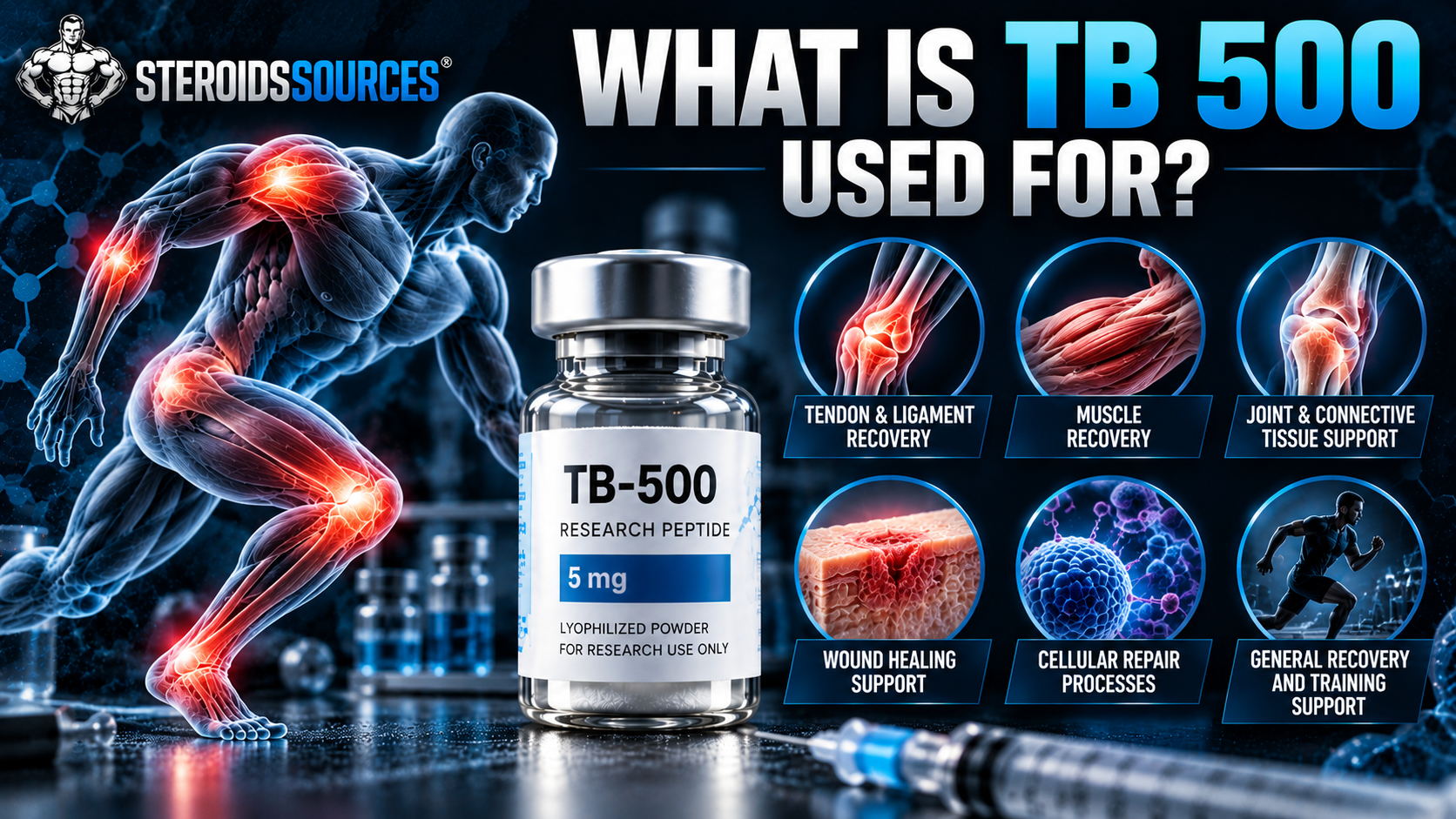
The question “what is TB 500 used for?” usually comes from people who have encountered claims about recovery, injuries, or tissue repair. Online sellers and fitness communities commonly associate the compound with several proposed uses.
These uses are primarily based on marketing claims, biological hypotheses, and research involving related compounds. They should not be confused with established medical indications.
1. Tendon and Ligament Recovery
Tendons connect muscles to bones, while ligaments connect bones to other bones. Both contain connective tissue that can be injured through acute trauma or repeated loading.
Some online discussions describe TB 500 as a potential aid for tendon and ligament recovery. These claims are often connected to research into cellular movement, tissue remodeling, and the biological functions of thymosin beta 4.
However, a plausible biological mechanism is not proof that a compound can accelerate recovery from a tendon or ligament injury in humans. Successful rehabilitation also depends on factors such as the nature of the injury, appropriate loading, adequate recovery time, and clinical management.
There is insufficient direct human evidence to conclude that TB 500 reliably repairs tendons or ligaments, shortens recovery time, or restores injured tissue to its previous strength.
2. Muscle Recovery and Repair
Muscle damage can occur after unfamiliar exercise, high training loads, strains, or other injuries. Recovery involves multiple processes, including inflammation, cellular repair, protein turnover, and adaptation to exercise.
What Is TB 500? TB 500 is sometimes promoted in bodybuilding communities as a compound that may support muscle repair or help athletes return to training sooner. These claims are often linked to the broader biological research surrounding thymosin beta 4.
Nevertheless, evidence involving related proteins or laboratory models does not establish that TB 500 improves muscle recovery in people. It is also not clear whether using the compound would produce a meaningful improvement in strength, function, soreness, or return-to-training time.
Anyone experiencing significant muscle pain, weakness, swelling, or a suspected tear should seek an appropriate assessment rather than relying on an unapproved research compound.
3. Joint and Connective Tissue Health
Another proposed use involves joint discomfort and connective tissue support. Online discussions may describe TB 500 as a possible option for people dealing with recurring training-related aches or injuries.
The difficulty is that joint symptoms can have many causes. They may arise from an acute injury, tendon irritation, cartilage damage, inflammatory conditions, or other medical problems. A compound that affects one cellular pathway would not necessarily address all of these causes.
There is not enough direct human evidence to establish TB 500 as a treatment for joint conditions. Claims that it repairs cartilage, reverses joint damage, or reliably relieves pain should be treated cautiously unless supported by well-designed clinical trials involving the exact compound.
4. Wound Healing
Thymosin beta 4 has attracted scientific interest because of its involvement in processes related to cell migration and tissue responses. Researchers have investigated the full-length protein in several experimental and clinical contexts.
This background is one reason TB 500 is frequently marketed for wound healing. However, research on full-length thymosin beta 4 does not demonstrate that the TB 500 fragment has the same effects.
The formulation and route of administration also matter. Evidence involving a topical preparation cannot automatically be transferred to an injectable product, and findings from a controlled clinical formulation cannot validate products sold by unverified online suppliers.
At present, claims that TB 500 accelerates wound healing in humans remain insufficiently established.
5. General Recovery and Athletic Performance
Some sellers and online communities extend the proposed benefits of TB 500 to general recovery, training consistency, and athletic performance.
These claims can be appealing to athletes who want to train more frequently or return to activity after an injury. However, improvements in tissue-related laboratory markers do not necessarily translate into better athletic performance.
To establish a meaningful performance benefit, researchers would need appropriate human studies measuring relevant outcomes, such as functional recovery, injury recurrence, training tolerance, or performance. Without that evidence, TB 500 should not be regarded as a proven recovery aid or performance-enhancing treatment.
How Does TB 500 Work?
The proposed biological activity of TB 500 is generally discussed in relation to thymosin beta 4 and the protein actin.
Actin helps form the internal structure of cells and contributes to processes such as cell movement and changes in cell shape. Cellular movement is relevant to many biological events, including tissue responses following injury.
Thymosin beta 4 has been investigated for its role in actin regulation and other cellular processes. Researchers have also examined its relationship with pathways involved in cell migration, inflammation, and tissue repair.
These findings provide scientific reasons to investigate the biology of thymosin beta 4. They do not, by themselves, establish that a synthetic TB 500 fragment produces the same effects in humans.
Cell Migration and Tissue Responses
Cell migration is an important part of many biological responses. Different cell types may move toward or accumulate in an area where tissue has been damaged. These processes can contribute to repair, immune responses, and remodeling.
Research involving thymosin beta 4 has explored connections between cellular behavior and tissue-related outcomes. However, the precise biological effects of a particular peptide depend on its molecular structure and the experimental conditions.
It is therefore inappropriate to assume that every effect observed with full-length thymosin beta 4 will occur with TB 500.
Inflammation and Repair
Inflammation is part of the body’s response to injury. It helps coordinate immune activity and tissue repair, although excessive or persistent inflammation can also contribute to symptoms and tissue damage.
Some marketing descriptions suggest that TB 500 controls inflammation or creates a more favorable environment for recovery. Such statements can oversimplify a complex biological process.
A change in an inflammatory marker does not automatically mean that a treatment improves pain, mobility, tissue strength, or long-term outcomes. These questions require direct testing in appropriate clinical studies.
Why a Proposed Mechanism Is Not Proof
A compound can interact with a biological pathway without providing a useful treatment. Its effects may be too small, may not occur at a practical exposure level, or may be offset by unwanted effects.
Researchers must also determine how a compound behaves in the body, how long it remains active, which tissues it reaches, and whether it produces consistent results across individuals.
For TB 500, the gap between proposed biological activity and established clinical benefit remains significant. Mechanistic explanations should therefore be viewed as a basis for research, not as proof of effectiveness.
TB 500 Benefits: What Does the Research Actually Show?

The phrase “TB 500 benefits” is widely used in online content, but the quality and relevance of the underlying evidence deserve close attention.
The key question is not whether thymosin beta 4 has interesting biological properties. It is whether research demonstrates that the specific compound sold as TB 500 produces meaningful and acceptably safe outcomes in humans.
Laboratory and Preclinical Research
Laboratory studies can help researchers investigate molecular interactions and cellular behavior. Animal studies can provide additional information about how a compound behaves in a living organism.
These types of research are important early steps in drug development. However, they have limitations. Experimental models do not fully reproduce human physiology, and results can vary according to species, dose, formulation, and study design.
A finding in cells or animals does not establish that a compound will work in humans. It also does not determine which exposure would be effective or safe.
Research on Full-Length Thymosin Beta 4
Full-length thymosin beta 4 has been studied in several research settings, including investigations involving eye-related conditions and wound-related applications.
These studies may be relevant to the broader scientific interest in thymosin beta 4, but the findings must be interpreted according to the exact formulation and indication studied.
A clinical study involving full-length thymosin beta 4 does not establish the safety or efficacy of TB 500. Differences in molecular structure and administration can affect biological activity and risk.
Direct Evidence for TB 500
Direct evidence is the most important category when evaluating a claim about TB 500. Ideally, it would include well-designed human clinical trials involving a clearly identified compound, a documented formulation, appropriate comparison groups, and clinically meaningful outcomes.
Regulatory reviews have highlighted major gaps in the evidence available for TB 500, including a lack of identified clinical studies and human exposure data for the specific fragment in the reviewed materials.
This does not prove that every possible biological effect is impossible. It means that reliable conclusions about human benefits and risks cannot be drawn from the available evidence.
What Can Be Concluded?
The most defensible conclusions are limited:
- Thymosin beta 4 has biological functions that make it a subject of scientific research.
- Research on full-length thymosin beta 4 does not establish the effects of TB 500.
- Laboratory or animal findings cannot confirm effectiveness in humans.
- Reliable direct human evidence supporting commonly advertised TB 500 benefits is insufficient.
- Claims about faster healing, stronger connective tissue, reduced recovery time, or improved athletic performance remain unproven.
A credible assessment should reflect these limitations instead of presenting proposed benefits as established medical facts.
TB 500 Side Effects and Safety Concerns

One of the most important questions about TB 500 is whether it can be used safely. Unfortunately, limited human evidence makes it difficult to define its risk profile.
For approved medicines, safety information is usually developed through staged research, clinical trials, manufacturing controls, and regulatory review. The evidence available for TB 500 does not provide the same level of assurance.
The absence of well-documented adverse events is not evidence that a compound is safe. If few people have been studied under controlled conditions, important risks may remain undetected.
1. Unknown Human Safety Profile
The most fundamental concern is uncertainty. Without adequate human studies, researchers cannot reliably determine the frequency, severity, or likelihood of adverse effects associated with TB 500.
Potential risks may depend on the compound’s identity, purity, formulation, route of exposure, and individual health factors. These uncertainties make confident safety claims inappropriate.
2. Product Purity and Mislabeling
Products sold online as research peptides may not always match their labels. Possible problems include incorrect concentration, impurities, degradation, contamination, or uncertainty about the exact substance present.
A product description or certificate supplied by a seller does not automatically establish product quality. The reliability of testing depends on the laboratory, methods used, sample handling, and whether the tested sample is representative of the product being sold.
Independent testing may provide useful information about certain quality characteristics, but it cannot establish that TB 500 is safe or effective for human use.
3. Risks Associated With Injectable Products
Some products marketed as TB 500 are intended for injection. Injectable products create additional concerns because contamination or incorrect preparation can introduce risks beyond those associated with the active substance itself.
Potential problems with poorly controlled injectable products include local reactions, infection, and exposure to unwanted substances. These risks are not unique to TB 500, but they are relevant when product quality and manufacturing standards are uncertain.
The safety of an injectable product cannot be established solely by its appearance, packaging, or seller’s claims.
4. Allergic or Unexpected Reactions
Unwanted reactions to an unfamiliar compound or an impure product are possible. However, the available evidence is not sufficient to provide a reliable TB 500-specific list of adverse effects or their frequency.
It would be misleading to claim that the compound has no side effects simply because detailed clinical data are lacking.
5. Interactions and Long-Term Effects
Potential interactions with medicines, supplements, medical conditions, or other research compounds have not been adequately characterized.
Long-term safety is another unresolved issue. Without appropriate follow-up data, it is difficult to determine whether repeated exposure could produce delayed or cumulative effects.
Combining multiple unapproved compounds introduces further uncertainty because any observed benefit or adverse effect may be difficult to attribute to a particular substance.
6. Claims About Cancer and Cell Growth
Thymosin beta 4 is involved in cellular processes that have been studied in different biological contexts, including cell movement and tissue-related responses. These functions have led to scientific interest in how the relevant pathways may behave in normal and disease-related conditions.
It is not appropriate to infer from this alone that TB 500 causes cancer. Equally, it is not appropriate to declare the compound free from such concerns without adequate evidence.
The important point is that the long-term biological effects and clinical risks of TB 500 are insufficiently characterized. People with a history of cancer or other significant medical conditions should not assume that an unapproved research peptide is safe for them.
Is TB 500 Safe?
There is not enough reliable human evidence to establish that TB 500 is safe for self-directed use.
Anyone considering an unapproved compound should discuss their circumstances with a qualified healthcare professional. People experiencing injuries should also seek appropriate evaluation so that serious damage is not overlooked or left untreated.
TB 500 vs. BPC 157: What Is the Difference?
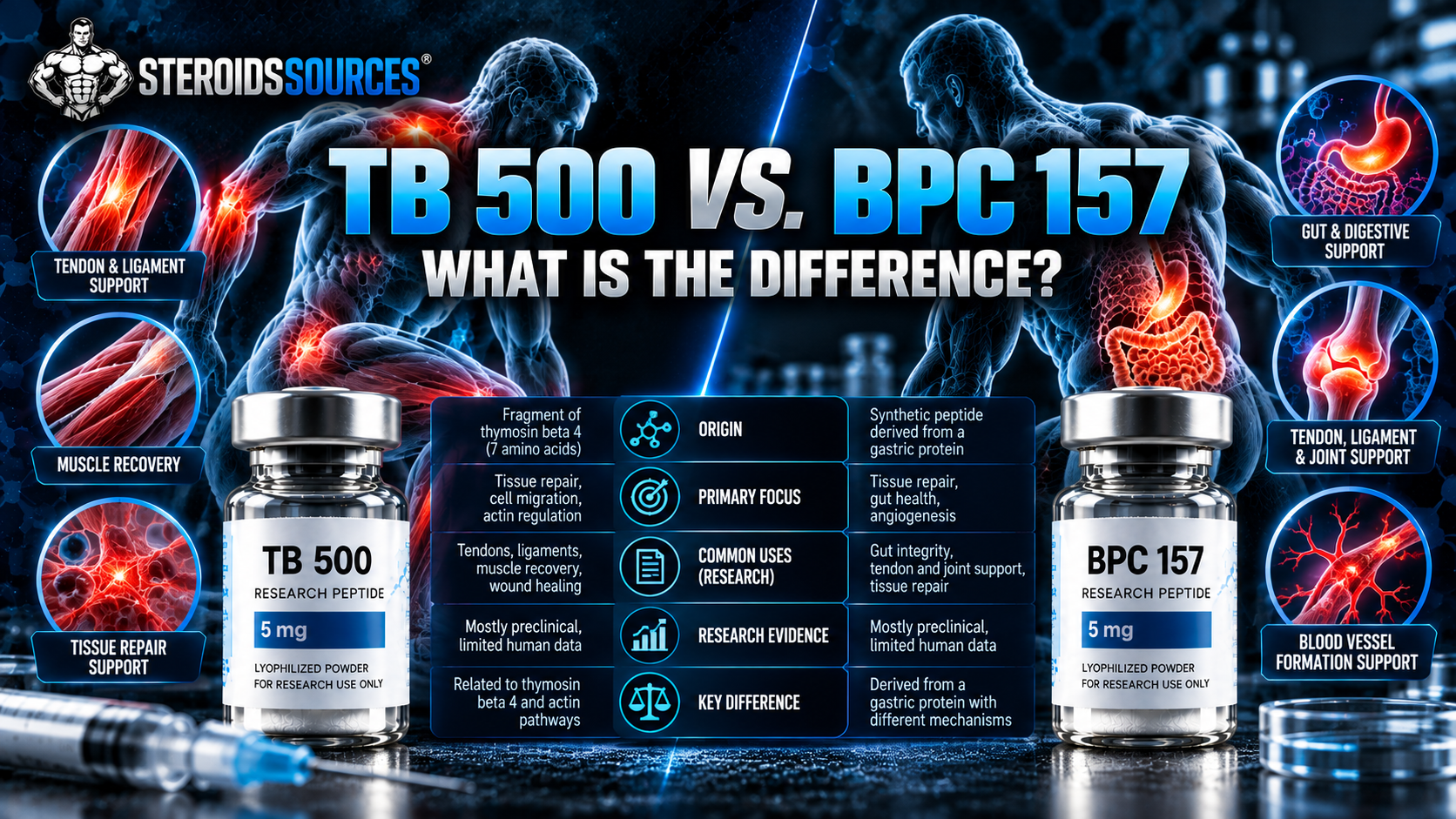
TB 500 and BPC 157 are both discussed in bodybuilding and research peptide communities. They are often grouped together because sellers promote them for overlapping goals, particularly tissue repair and recovery.
However, they are different compounds, and their evidence should be evaluated separately.
TB 500
TB 500 is associated with a synthetic peptide fragment related to thymosin beta 4. Much of the scientific interest surrounding it comes from research into the full-length protein and its biological functions.
Direct human evidence supporting commonly marketed TB 500 uses is limited. Findings from thymosin beta 4 research cannot automatically be applied to TB 500.
BPC 157
BPC 157 is a synthetic peptide studied primarily in preclinical research. It has attracted interest because of laboratory and animal investigations into possible effects on tissue-related processes.
Despite online claims about healing and recovery, robust human clinical evidence establishing its effectiveness and safety remains limited.
Comparing the Evidence
The two compounds differ in molecular identity and research history. Neither should be considered an established treatment for injuries merely because online sellers describe it as a healing peptide.
A fair comparison should examine the exact compound, the type of research available, the outcomes measured, and the limitations of the evidence. Testimonials and marketing claims cannot substitute for controlled clinical studies.
There is also no strong basis for assuming that combining TB 500 and BPC 157 will provide additional benefits. Using multiple poorly characterized compounds can make safety assessment even more difficult.
Is TB 500 Approved for Human Use?
Regulatory status depends on the country and the specific product or intended use. However, products sold online as TB 500 should not be assumed to be approved medicines.
In the United States, TB 500 is not an FDA-approved drug for treating injuries, accelerating recovery, or enhancing athletic performance. A product being offered for sale does not mean it has been reviewed and approved for those purposes.
Some products are marketed as research chemicals or labeled “not for human consumption.” Such labels do not establish safety, effectiveness, or suitability for self-administration.
It is also important to distinguish a research compound from a regulated medicine that has undergone appropriate evaluation for a specific indication. Approval of a related molecule, or research into a similar biological pathway, does not automatically confer approval on TB 500.
Rules may differ across jurisdictions, and legal status can depend on factors such as importation, supply, intended use, and sporting regulations. Anyone concerned about the legal status of a product should consult the relevant local regulatory authority or a qualified legal professional.
How to Evaluate Online TB 500 Claims
People searching for TB 500 often encounter product pages, discussion forums, and promotional articles that present confident claims about recovery. A systematic approach can help readers distinguish verifiable information from marketing.
Look for the Exact Compound Identity
Check whether the material identifies the precise molecule being sold or uses broad terminology without adequate detail. References to thymosin beta 4 should not be treated as proof that a product containing a shorter fragment has the same properties.
Examine the Evidence Behind Each Claim
A scientific-looking explanation is not the same as clinical evidence. Look for studies that examine the exact compound and measure outcomes relevant to the claim being made.
If a seller cites research on animals, cells, or full-length thymosin beta 4, that evidence should be described accurately rather than presented as proof of human TB 500 benefits.
Be Cautious With Purity Claims
Terms such as “high purity,” “pharmaceutical grade,” and “laboratory tested” need supporting documentation. Even a credible purity result does not prove clinical safety, effectiveness, or regulatory approval.
Treat Testimonials as Anecdotes
Personal stories may describe genuine experiences, but they cannot reliably establish cause and effect. Symptoms may improve naturally, other treatments may be responsible, and unsuccessful experiences may be underrepresented.
Avoid Guaranteed Results
Claims that a compound guarantees faster recovery, repairs all injuries, or has no side effects are not consistent with responsible scientific communication.
For TB 500, the limited human evidence makes strong claims about effectiveness or safety especially difficult to justify.
Should You Use TB 500 for Injury Recovery?
TB 500 is frequently discussed as an alternative for people seeking faster recovery from sports injuries. However, the popularity of a compound does not establish that it works.
An injury may require an accurate diagnosis, appropriate rehabilitation, modification of training loads, or other evidence-based care. Depending on the injury, delaying evaluation may worsen the outcome or prolong recovery.
Because the direct human evidence for TB 500 is insufficient, it cannot be recommended as a proven treatment for tendon injuries, ligament damage, muscle tears, joint conditions, or wound healing.
A qualified healthcare professional can help identify the cause of symptoms and discuss options supported by better evidence. This is particularly important for severe pain, marked swelling, loss of function, suspected rupture, or an injury that is not improving as expected.
What Is TB 500 Used For in Research?
When asking what is TB 500 used for, it is important to distinguish proposed research applications from proven medical treatments. The compound is commonly discussed in connection with tissue repair, tendon recovery, muscle recovery, and wound healing, but direct human evidence remains limited.
What Is Known About TB 500 Benefits?
The potential TB 500 benefits promoted online are largely based on biological hypotheses, research involving related compounds, and preclinical findings. These claims do not establish that TB 500 improves healing or athletic performance in humans.
What Should You Know About TB 500 Safety?
TB 500 safety remains an important concern because its effects in humans have not been adequately characterized. Product purity, contamination, possible adverse reactions, and long-term effects are all relevant uncertainties.
What Is TB 500 Dosage? Is There an Established Dose?
People searching for what is TB 500 dosage often encounter online dosing schedules and protocols. However, there is no established, evidence-based human dose for TB 500 that has been validated in clinical trials for injury recovery or other medical uses.
One important reason is that TB 500 is often confused with full-length thymosin beta 4. Research involving the full-length protein does not establish a suitable dose for the shorter TB 500 fragment. Differences in molecular structure, formulation, and biological behavior mean that dosing information cannot simply be transferred between them.
Online protocols should therefore not be treated as medically validated recommendations. Without reliable human dose-finding studies, the appropriate dose, frequency, duration, and long-term safety of TB 500 remain uncertain.
Key takeaway: A dosage schedule appearing on a seller’s website or fitness forum is not proof that the schedule is effective or safe.
what is TB 500 half life

The question what is TB 500 half life refers to how long the compound remains in the body before its concentration decreases by half. Half-life is an important pharmacokinetic measurement, but it must be established for the specific substance being studied.
A reliable human half-life for the TB 500 fragment has not been established in published human pharmacokinetic research identified in the available regulatory review. Figures sometimes quoted online may be based on research involving full-length thymosin beta 4 or other indirect evidence. These figures should not be presented as confirmed measurements for TB 500.
The distinction matters because two related peptides can differ in how they are absorbed, distributed, metabolized, and eliminated. Even when a half-life is known, it does not by itself establish how effective a compound is or how frequently it should be administered.
Key takeaway: There is not enough direct human evidence to give a reliable, confirmed half-life for TB 500.
What Is TB 500 10mg?
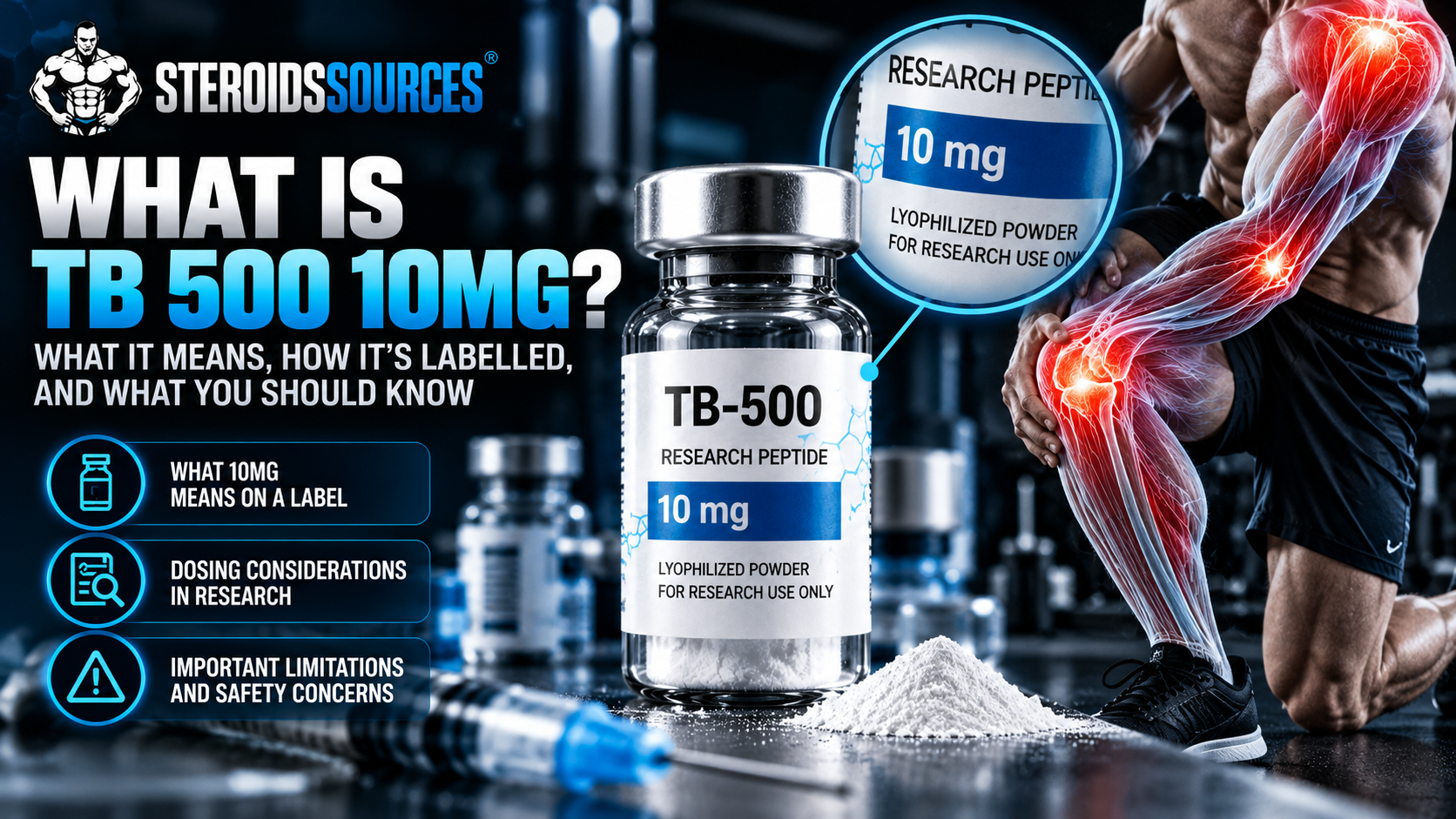
The search phrase what is TB 500 10mg usually refers to a product label indicating a nominal quantity of 10 milligrams. This describes the stated amount of material in the container; it does not establish a medically appropriate dose or prove that the product contains the compound claimed on its label.
A 10 mg label does not demonstrate that the product is approved for human use, that its contents have been independently verified, or that the amount is safe or effective. Product identity, purity, concentration, manufacturing quality, and storage conditions can all affect what is actually present.
It is also important to distinguish the total quantity in a vial from the amount used in a study. A product’s container size is not evidence that the entire amount should be administered, and it cannot be used to determine a safe schedule when a validated human dose has not been established.
Key takeaway: TB 500 10 mg describes a labeled quantity, not a proven human dosage or a guarantee of product quality.
Frequently Asked Questions About TB 500
What is TB 500?
TB 500 is a name used for a synthetic peptide fragment associated with thymosin beta 4. It is commonly marketed online for proposed tissue-repair and recovery effects, but direct human evidence supporting these claims is limited.
What is TB 500 used for?
Online sellers and fitness communities commonly promote TB 500 for tendon and ligament recovery, muscle repair, joint health, wound healing, and general recovery. These are proposed uses rather than established medical indications.
Does TB 500 actually work?
There is insufficient reliable human evidence to establish that TB 500 improves injury healing, muscle recovery, joint function, or athletic performance. Research involving full-length thymosin beta 4 cannot automatically be applied to the TB 500 fragment.
What are the benefits of TB 500?
Commonly advertised benefits include tissue repair and faster recovery. These claims are not adequately established by direct human clinical evidence. The biological research surrounding thymosin beta 4 provides a reason for scientific investigation, not proof that TB 500 delivers the advertised benefits.
What are the side effects of TB 500?
The TB 500-specific side-effect profile is not adequately characterized. Uncertainty about the compound, product quality, contamination, interactions, and long-term effects makes it inappropriate to describe TB 500 as risk-free.
Is TB 500 the same as thymosin beta 4?
No. Thymosin beta 4 is a naturally occurring 43-amino-acid protein. TB 500 is associated with a synthetic fragment of that protein. Evidence involving the full-length protein does not establish the effects of the fragment.
What is the difference between TB 500 and BPC 157?
They are different synthetic peptides with different research backgrounds. Both are discussed online for recovery-related uses, but neither should be treated as a proven injury treatment based on marketing claims or preclinical research alone.
Is TB 500 FDA approved?
TB 500 is not FDA-approved for treating injuries, improving recovery, or enhancing athletic performance. Regulatory rules outside the United States may differ, so local requirements should be checked separately.
Is TB 500 a steroid?
No. TB 500 is a peptide-related compound, not an anabolic-androgenic steroid. Its proposed biological effects and safety questions are different from those of anabolic steroids.
Can TB 500 heal tendons or ligaments?
There is insufficient direct human evidence to conclude that TB 500 reliably heals tendon or ligament injuries. Claims about these effects should not be treated as established clinical facts.
Is TB 500 safe for long-term use?
Long-term safety has not been adequately established. The lack of sufficient human data means that delayed effects, interactions, and other risks remain uncertain.
Final Verdict: What Is TB 500?
TB 500 is a peptide-related compound associated with thymosin beta 4 and widely discussed in bodybuilding, sports recovery, and research chemical markets. It is commonly promoted for tendon recovery, muscle repair, joint health, and wound healing.
However, the scientific evidence does not justify treating these claims as established benefits. Research on full-length thymosin beta 4 is not interchangeable with research on TB 500, and the direct human evidence for the specific fragment remains limited.
The most important concerns are the uncertain clinical effects, incomplete safety profile, possible product-quality problems, and lack of approval for the commonly advertised medical uses.
For readers researching TB 500, the best approach is to distinguish proposed mechanisms from demonstrated outcomes and to evaluate claims according to the evidence available for the exact compound. Until adequate human research establishes its benefits and risks, TB 500 should not be regarded as a proven or risk-free solution for injury recovery.